


I’m Darren Samuelsohn, and this is The love, journalism Show. We’re talking about the state of the energy and environmental news business with a voice that’s long been in my ear.
First time visiting? Please sign up for my love letter from the beat.
David Roberts once tried to poach me.
It didn’t work. I stayed at E&E News, kept writing behind the paywall, kept counting votes on climate bills that were never quite going to pass. David was already at Grist by then — the scrappy Seattle-born environmental publication I’d known about since my days covering the outdoors in Olympia, Washington. I had long been a fan.
We watched each other from a distance for two decades. Occasionally in competition. Never quite in the same room. He was throwing bombs at my coverage from the environmental left. I was navigating the tunnels of the Capitol complex trying to find the one senator who knew where the climate bill was actually going.
Now he wishes some of that coverage still existed.
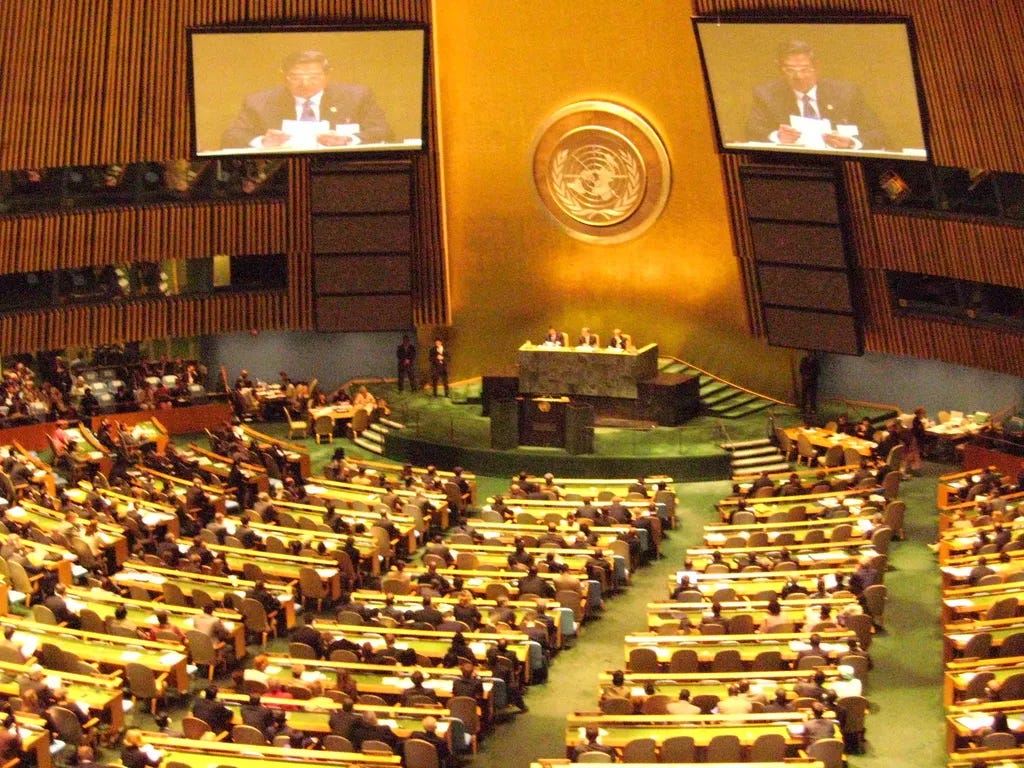
E&E News — the publication I spent a decade at before leaving for Politico — is being shuttered by Politico, which swallowed E&E a few years back and is now, in David’s words on tape, going to wipe the climate out of it and turn it into a DC gossip rag.
It was something to hear him say that. Because I worked at Politico too. For ten years. That part of the conversation kind of got lost in the shuffle — but it’s worth naming here. Two people who came up in the energy and environment press corps of the early 2000s, both now independent, both watching the institutions we worked amid either collapse or get absorbed into something unrecognizable.
David was at Grist when I knew him. Then Vox. Now Volts on Substack — 440 episodes deep, preaching transmission grids and batteries to a paying audience that keeps growing. He found his way into journalism with no training, no journalism school, no mentors. Just started writing the way he thought, the way he talked, for a small audience that wanted to go deep on climate solutions. Grist gave him his legs. The rest he built himself.
A Conversation a Long Time Coming
This episode runs longer than what you normally get from me. (The opening hour or so is at the top of this page, and the final 18-minute segment is right above this paragraph). David and I had a lot to discuss. A beat that shaped both of us. A media landscape neither of us quite recognizes anymore. And a summer — as you may have noticed stepping outside — that is making the argument for everything Dave has spent twenty years covering.
We started, as I always do, with a fastball.
Do you remember trying to poach me to Grist?
David: I confess that I do not. We had many failed attempts to poach many people.
Grist was interested in me. I was tired of writing behind a paywall at E&E where serious work was only read by people paying a lot of money. What was Grist offering people like me back then?
David: Freedom and obscurity. Same thing it offered me. I mean, I think at the time we had pretensions of trying to be more of a newsy reporting place. Grist went through many different self-conceptions over the years. But it has survived. It was founded in 1999. You know the wreckage of media all around us — it’s one of the very few online publications that has been going that long. It’s kind of crazy.
And E&E News — which was fantastic right up until Politico killed it a few weeks ago?
David: R.I.P. to that and to everything that was. E&E was one of the last bastions of old school, down the middle, day to day, objective reporting of the facts of what’s happening. And now it’s been swamped by Politico, which is going to wipe all the climate out of it and turn it into a DC gossip rag. Climate had sort of a renaissance at the big papers, and now it’s getting wiped out. The desks are getting closed down. Everybody’s decamping to their own little bubbles, decamping to Substack. So it’s harder than ever to find news you can just trust.
The Writer Who Couldn't Type Anymore
David came into journalism with no training. No journalism school. No mentors. He just wrote the way he thought, and it turned out enough people wanted that.
Did you believe the Voice of Authority when you were performing it — or were you always performing it?
David: I did not ever even generate a plausible facsimile of that voice. I never went to journalism school. I never really had journalism mentors. I just from the very beginning wrote like I talk, like I thought. At Vox you’re writing to Facebook, writing to social media, trying to get clicks. You don’t know anything about that person and they don’t know anything about you. I found myself wanting to write more and more in-depth, fairly technical stuff about solutions. And I’d have to start every article with: climate change is happening, it’s bad, it’s caused by greenhouse gases. I’m like six paragraphs in before I get to the thing I actually want to talk about. I found it like an insoluble riddle to just bang out a three to four paragraph story about what happened. The only way I know how to approach things is the way I know how to approach things.
What David didn’t say on air until I asked directly: a few years into Volts, he developed severe pain in his wrists and arms. Doctors couldn’t fully diagnose it. The long and short of it — he couldn’t type at length anymore. Which was awkward, as he put it, given that he had just launched a business whose entire income depended on typing to people.
The pivot to podcasting wasn’t a creative choice. It was a medical one. It turned out to be the right one.
You matched your Vox salary in five months. At the time you said everything beyond that was gravy. Does that still hold?
David: It’s all about where you draw the baseline. My wife had a real job and made most of the money in our family for almost all of my career. She quit her job of 26 years earlier this year — it’s her turn to screw around a little bit. She’s working at Mariners Stadium at baseball games, going to Zumba classes, gardening. So all of a sudden my thing is our main income, which puts it in a different light. It still always feels precarious. Everything feels precarious in media these days. It’s working, but it always feels rickety. It always feels like it could get wiped away by whatever next tsunami comes through.
On Journalism, Glory, and Local Weeklies
I put the hardest question to David near the end. He’d closed his conversation with Paul Krugman on hope — clean energy is a mission, there’s glory to be had, do something that matters. I wanted to know if he believed the same thing about journalism.
Does the same thing hold for journalism right now?
David: That is a tough one. Good journalism is incredibly important and necessary to the proper functioning of a democracy, and it is falling apart everywhere around us. Can I promise glory to people who pursue it? I’m not sure I can. It seems like nothing but doom and misery await people who go into it. What I would say is: try to revive local journalism. Start in your town or your city. Cover city council meetings, zoning, the police union. Local journalism has died on our watch, and to the extent there is any, it’s all owned by Sinclair and is right wing propaganda. That is poisonous. It is poisoning our society. If you want to push back against that, just start in your town and do some journalism where you can make real human contacts and write things that matter for actual human beings who need to know things.
Stay Tuned for Sunday
One more thing before you go.
David Roberts has spent twenty years covering the infrastructure of energy — the grid, the transmission lines, the systems that power everything you use. It’s what Volts is built on.
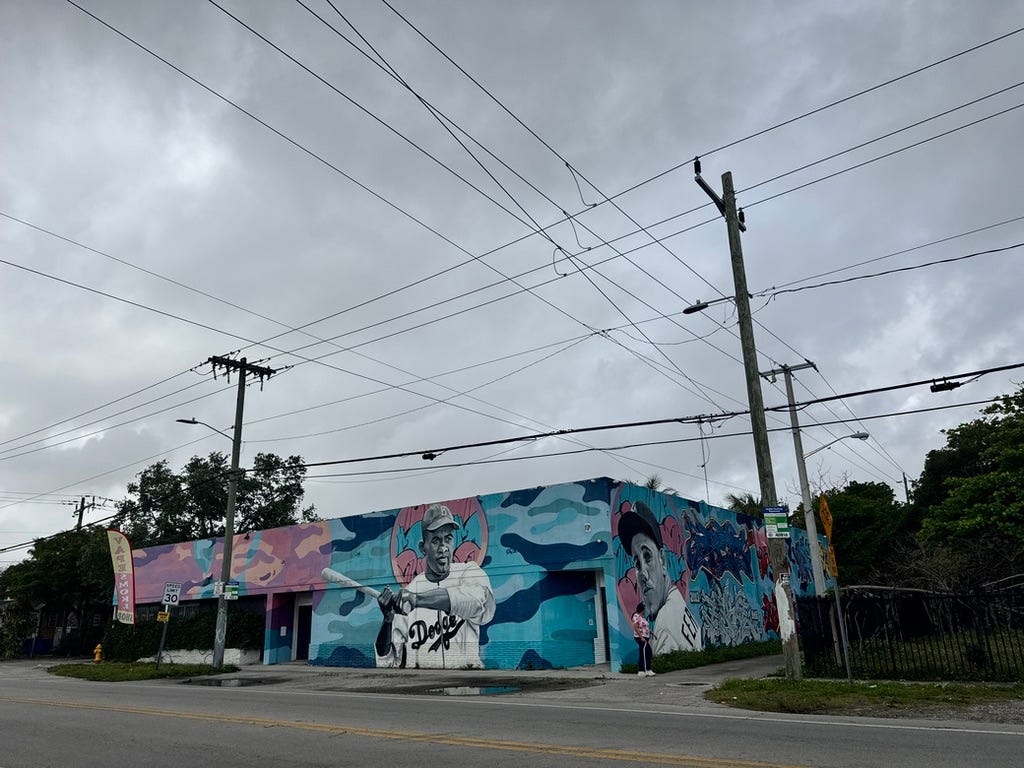
I stumbled onto my own version of that story a long time ago without knowing it. Every great shot I tried to take out a car window, driving through the country or across some corner of the world, there was a power line in it. My wife and I used to joke about it. We kept taking pictures and the power lines kept showing up.
This Sunday: the Power Lines photo essay series launches on love, journalism. An accidental archive. Many years of images from around the world. All connected by the same thing running through the frame.
Of course they would be there. They always are.


