


I’m Darren Samuelsohn, and this is love, journalism.
Today’s edition is about energy and environmental news - and a publication swept up in it, and my career too.
Something important is happening in Washington right now, mostly beneath the surface. E&E News - the trade publication that shaped the first quarter-century of my career - is shutting down, folded into Politico for good.
There’s more coming from me on this in the days ahead — including a conversation with David Roberts of Volts and a live tribute show with old E&E colleagues— and honestly, there’s no better time for it. We’re stepping into the heat of summer, which feels like exactly the season to be talking about energy and environmental news.
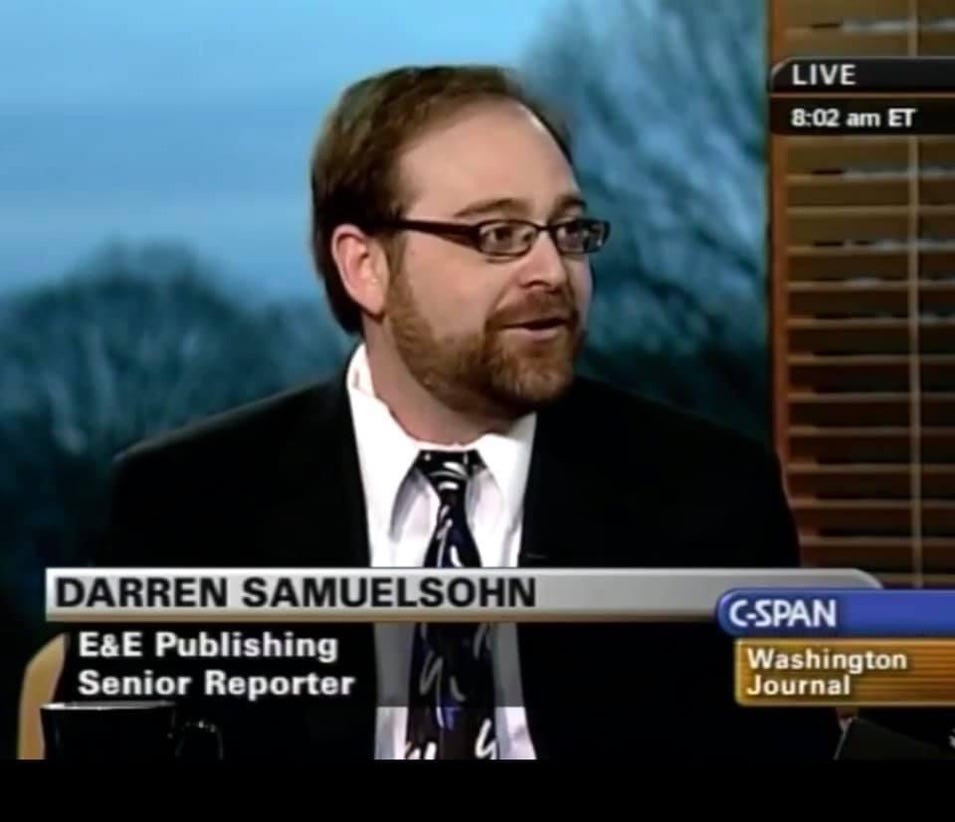
It’s not the sexiest name. Environment & Energy Publishing LLC was the name on the door when I first found a little shop at 122 C Street, down the shady street from the U.S. Capitol, nestled around the corner from a bar called Hamilton’s — which may or may not have had anything to do with the founding father — and another known as My Brother’s Place, where generations of Labor Department employees enjoyed a long lunch and good sports-bar company.
E&E bought Greenwire in the final weeks of the Clinton administration, to sit alongside its E&E Daily and Land Letter weekly edition, and they would grow into publishing juggernauts. In no small way, that purchase established the foundation of my career in Washington.
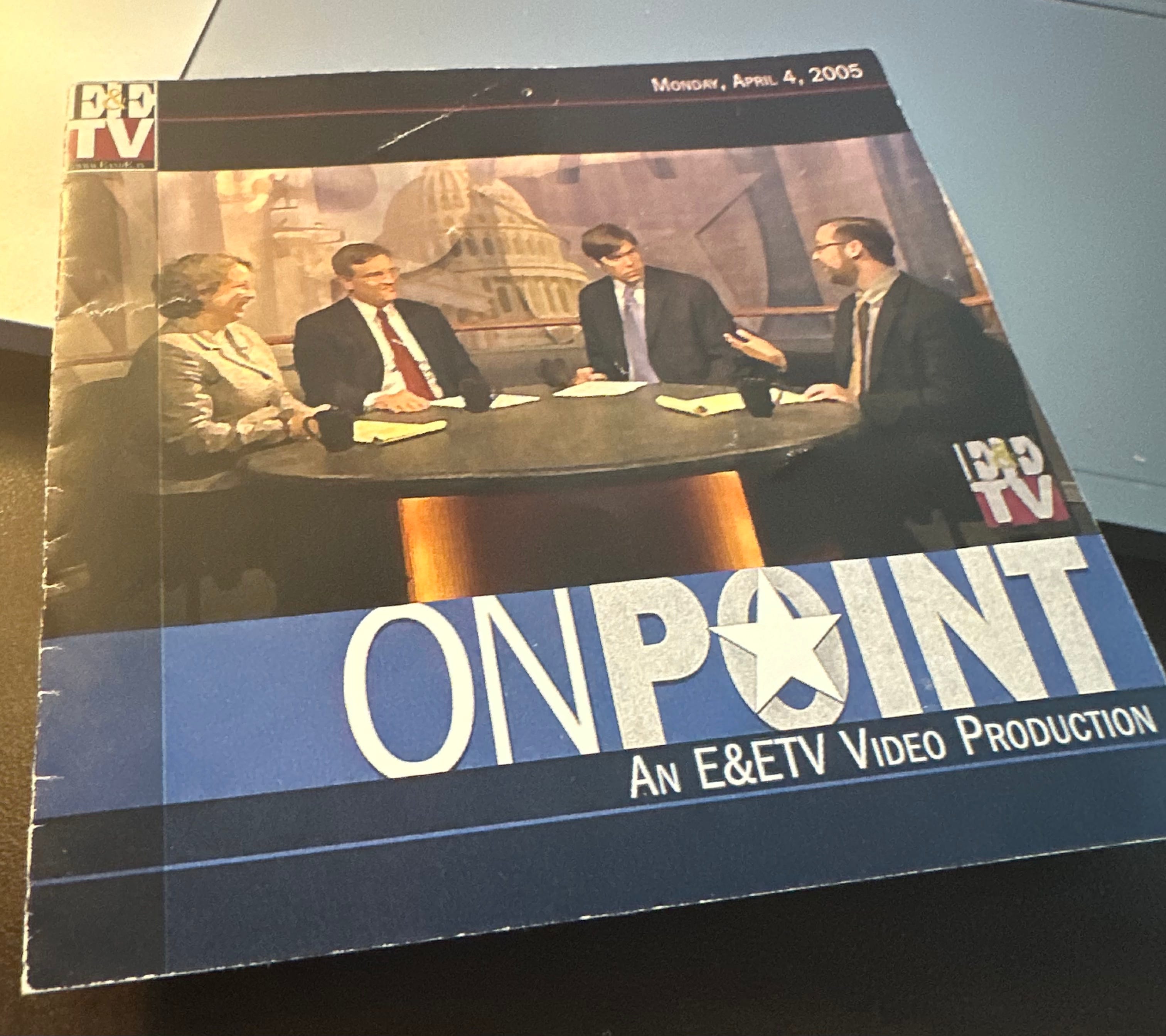
I was among the first people to have worked for E&E News, then Politico, which later bought and is now shutting E&E down, and also Axel Springer, which now owns them both. One built on the other. In some ways, that’s what this story is about.
E&E, at its start, was a couple of guys with a plan: tell one story, and tell it well. ESPN was the model then, maybe CNN too. E&E did what a lot of outlets would eventually do — Politico, Puck, Punchbowl, Axios, The Messenger — and it did it well. I wrote more stories in that decade than I can count. My climate bill coverage was probably the best example of what the job was like. The colleagues around me were specialists — in FERC, in nuclear waste, in energy policy, forestry and fish, the EPA, DOE and if I put a bunch more letters in a row like this - DHGH - you might even think that was one we covered too. Nope, kidding. But you get my drift. That’s a trade reporter joke. See, now you’re in on it too. It was quite a world, and I’m grateful I got to be part of it as long as I could.
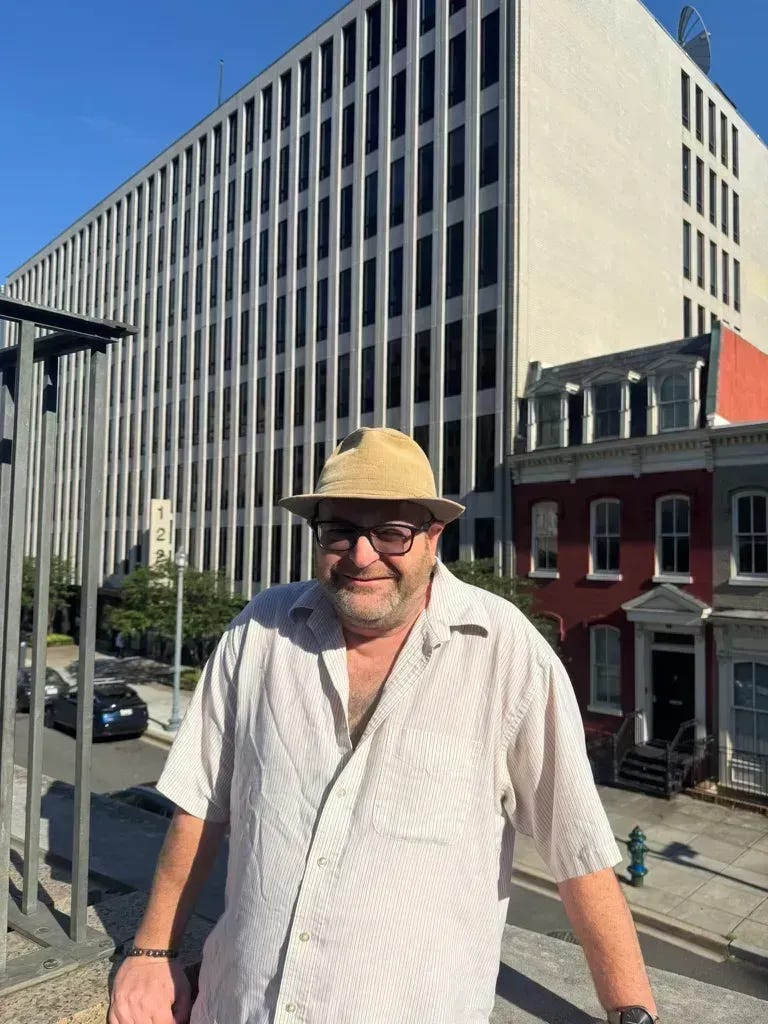
I was the first of the E&E crowd to jump to Politico, in 2010, a decade in, right as a major oil spill devastated the gulf and blew a hole in President Obama’s climate plans. My wife and I were going through something serious of our own that year — trying to start a family, and not succeeding — and I turned Politico down. They came back. The decision became clear, and I had to jump. I’d spent a decade writing for an audience that was as sophisticated as one can get. These folks knew their stuff. It also paid really well.
But I wanted more, namely an audience beyond just the folks who could afford such a large paywall. Our work for a brief moment was picked up online in The New York Times through a short-lived partnership. That felt great, but it was weird when readers assumed you wrote for the Times. These were the early Twitter days too, when the best use of the platform was catching lawmakers spilling something they shouldn’t.
I thrived at Politico. It had an early reputation as a climate snowflake when I arrived, and I’d like to think we changed that. I was the first of what became a small army of E&E transplants — the “E&E faction.” I spent the first two years on energy as Politico launched its own paywall service named Pro and took direct competitive aim at E&E News through rapid fire white boards and a drive to drive the conversation as Politico’s founders often said. From there, I broke loose so completely that by the end, only a few people remembered I’d ever covered climate at all.
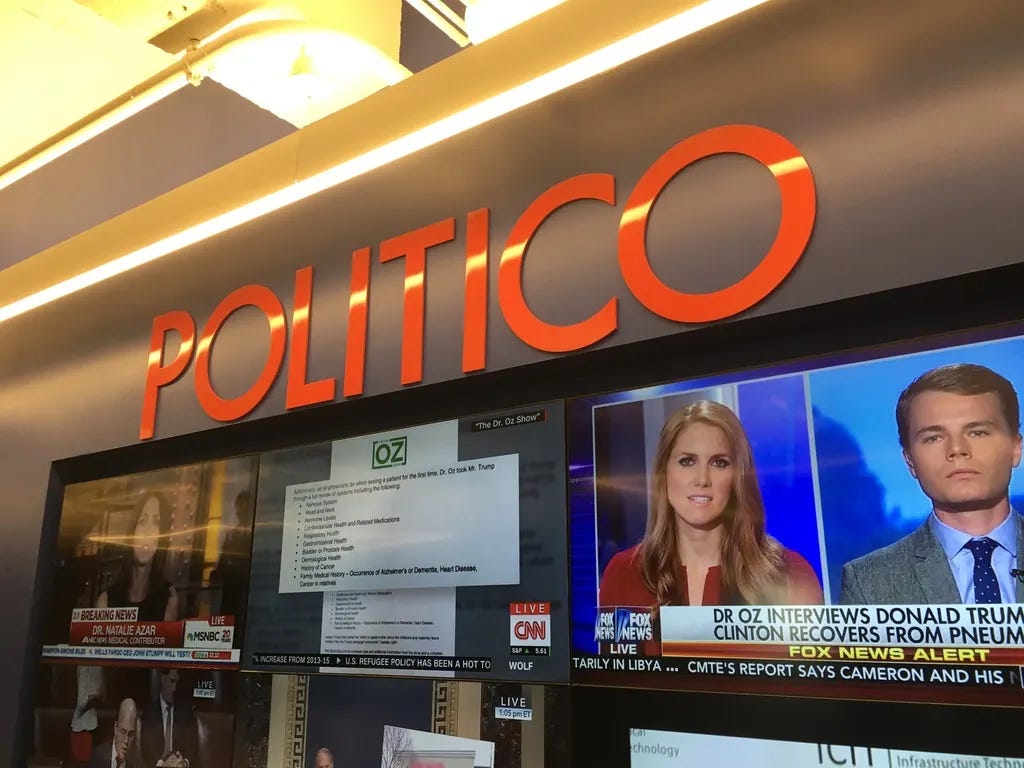
In 2020, as the pandemic hit and a president faced impeachment, I left Politico for Insider — owned by Axel Springer — to help build a new DC bureau in a world suddenly built on audience and data.
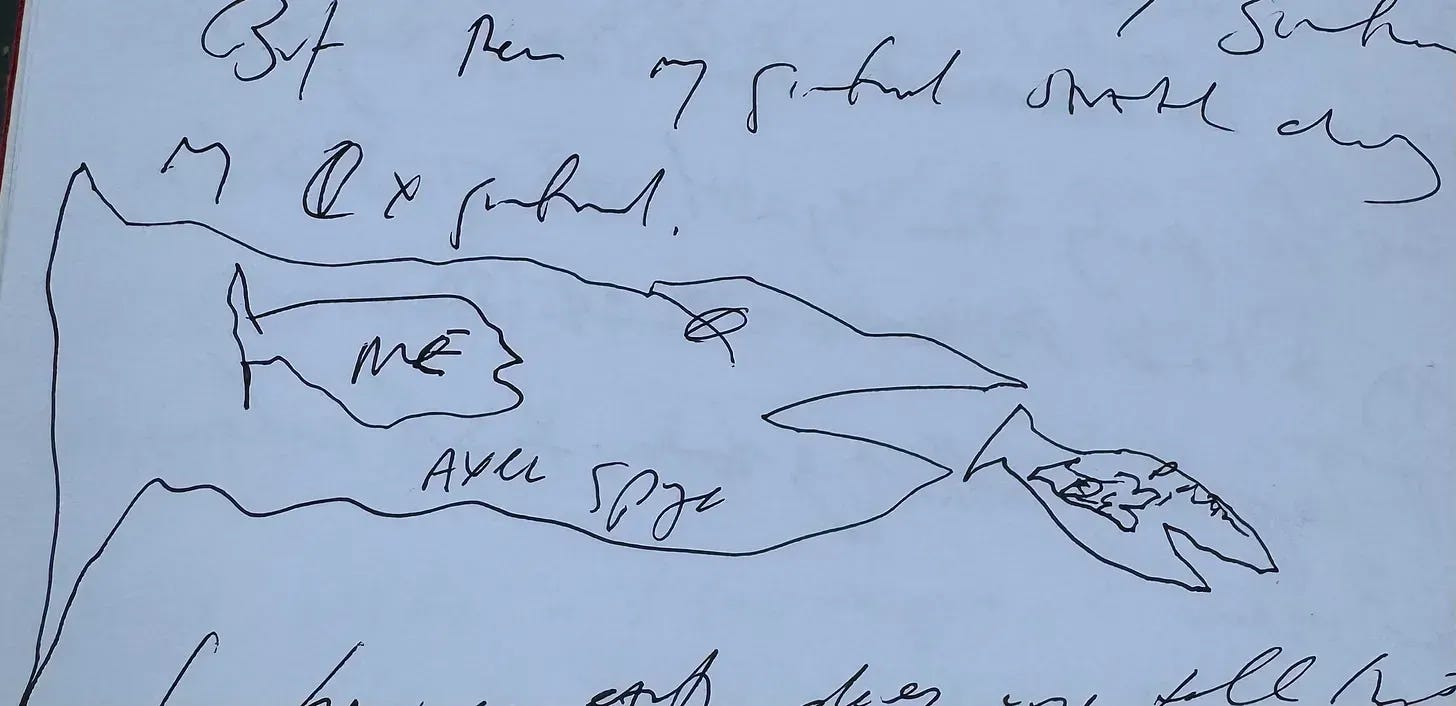
That’s where the fish comes in. While I was at Insider, Politico bought E&E. At the time, Politico’s publisher Robert Allbritton called it a bet on “the story of our generation” — energy and the environment touching “all aspects of the economy and government.” Politico’s editor-in-chief, Matt Kaminski, promised E&E’s team they were “joining a dynamic news organization committed to journalistic excellence and innovation, and to building a great publication.” I watched old friends there get folded into an organization they’d spent years competing against. I described it at the time as my two ex-girlfriends getting together. It was weird enough watching that from the outside — especially knowing Politico Europe was already an Axel Springer joint venture, years before Springer would go on to buy Politico outright. Then it got weirder: Axel Springer, my employer, paid more than $1 billion for Politico. Suddenly I worked for all three — until the day I got deposited on the side of the road.
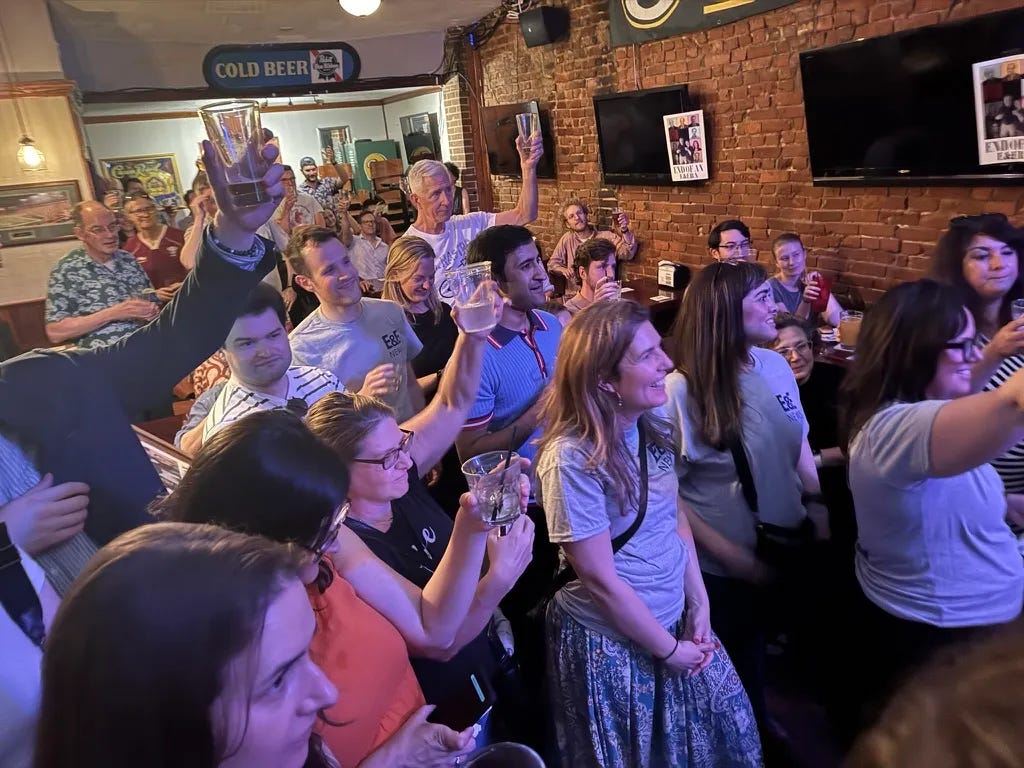
I’m a proud alum of all of them. I’d like to see them thrive, and I’m sad to watch E&E get put to rest — even as those 2020 promises about “building a great publication” sit strangely next to it now being in its final days. In the coming weeks, I’ll do here what I already did for The Messenger — pay tribute to the family: Greenwire, E&E Daily, E&E News PM edition, ClimateWire, EnergyWire, LandLetter, OnPoint and the Rolling Blackouts. I promise you this much: there’s a lot of good stories coming that you’re going to love — cabinet secretaries, presidents, even Supreme Court justices among them.
I will always be grateful to E&E for giving me my first job out of college, in journalism of all fields. Having also met my husband there, I can safely say that E&E changed the course of my life. RIP!
I remember E&E fondly because, as I later learned, the culture was different than other publications in DC. While it was frustrating sometimes just starting out in my career, I met some great people there and I was there at a very specific time that wouldn't be replicated today. It's sad to see the publication being ended when, for many years, they had a strategy of gradual change and sticking to what worked for them.