


I’m Darren Samuelsohn, and this is love, journalism.
Had a cold last week, so this post got bumped a bit. But considering this story is nearly three decades in the making, waiting a few extra days didn’t really matter.
There aren’t many guardrails on top of the world.
Which was one of the many terrifying things to keep out of mind while packed on a local bus - a bus that didn’t require a ticket and kept no record of my existence. We were hours from the nearest internet café.
I was one of the only Americans around, which was the best part, traveling from Shigatse, Tibet’s second-biggest city, alongside monks, backpackers and locals. When the driver pulled over, everyone scrambled along the riverbank to find a shred of privacy for a bathroom break. Altitude sickness: check. Up ahead, a bridge had buckled over the roaring water, so we waited. For what, I’m not sure.
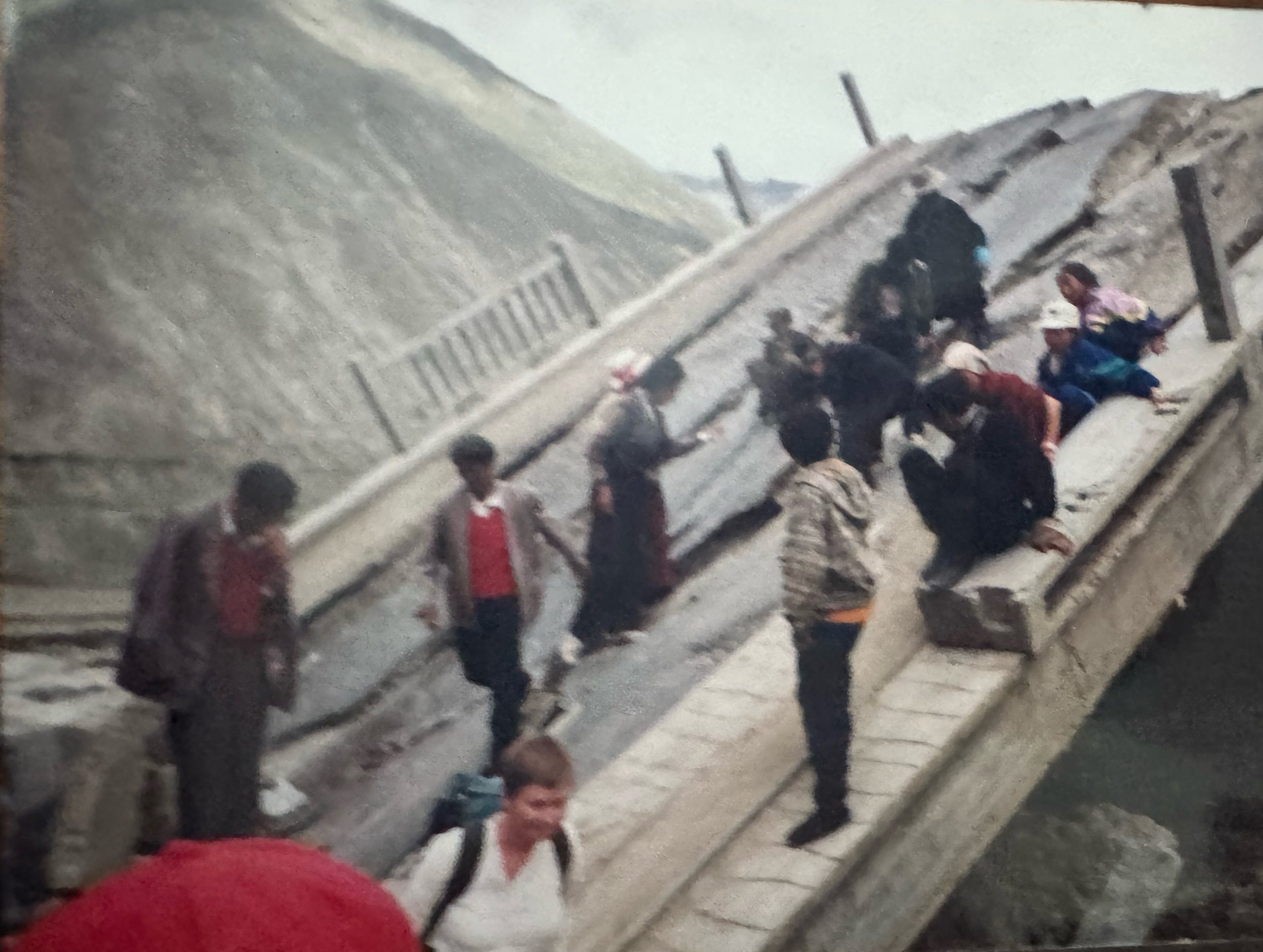
During that long, never-ending ride, I fell in love with the Grateful Dead song “Brokedown Palace.” Over those hours, I built up a sensory memory that’s been reused for about 30 years whenever I need a moment of peace and solitude. Like when I’m in a dentist’s chair.
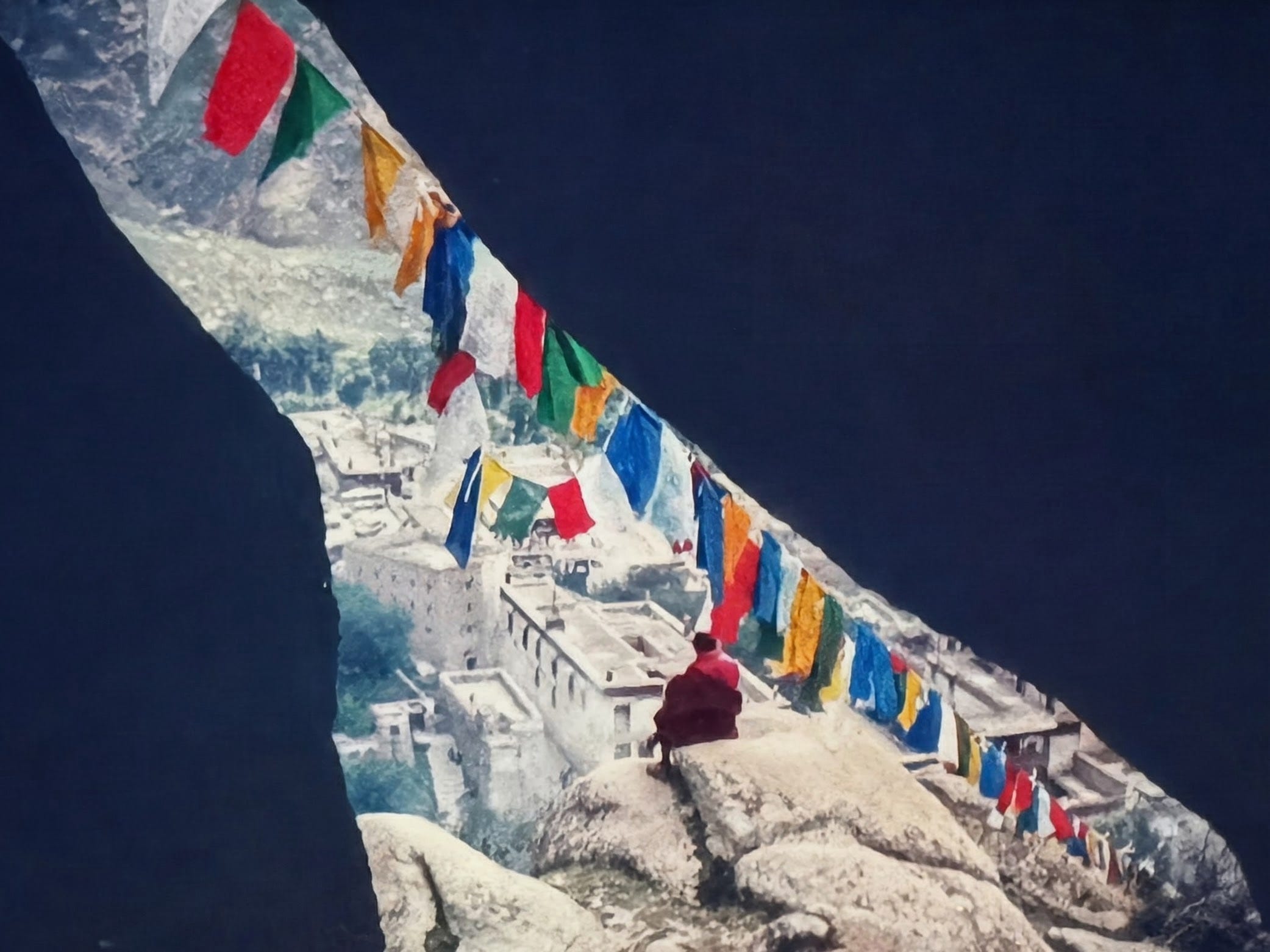
There were a lot of moments like that in Tibet. Another one I love is the story behind this photograph. I took a million shots wandering the Yogurt Festival on my own. This is the one I framed.
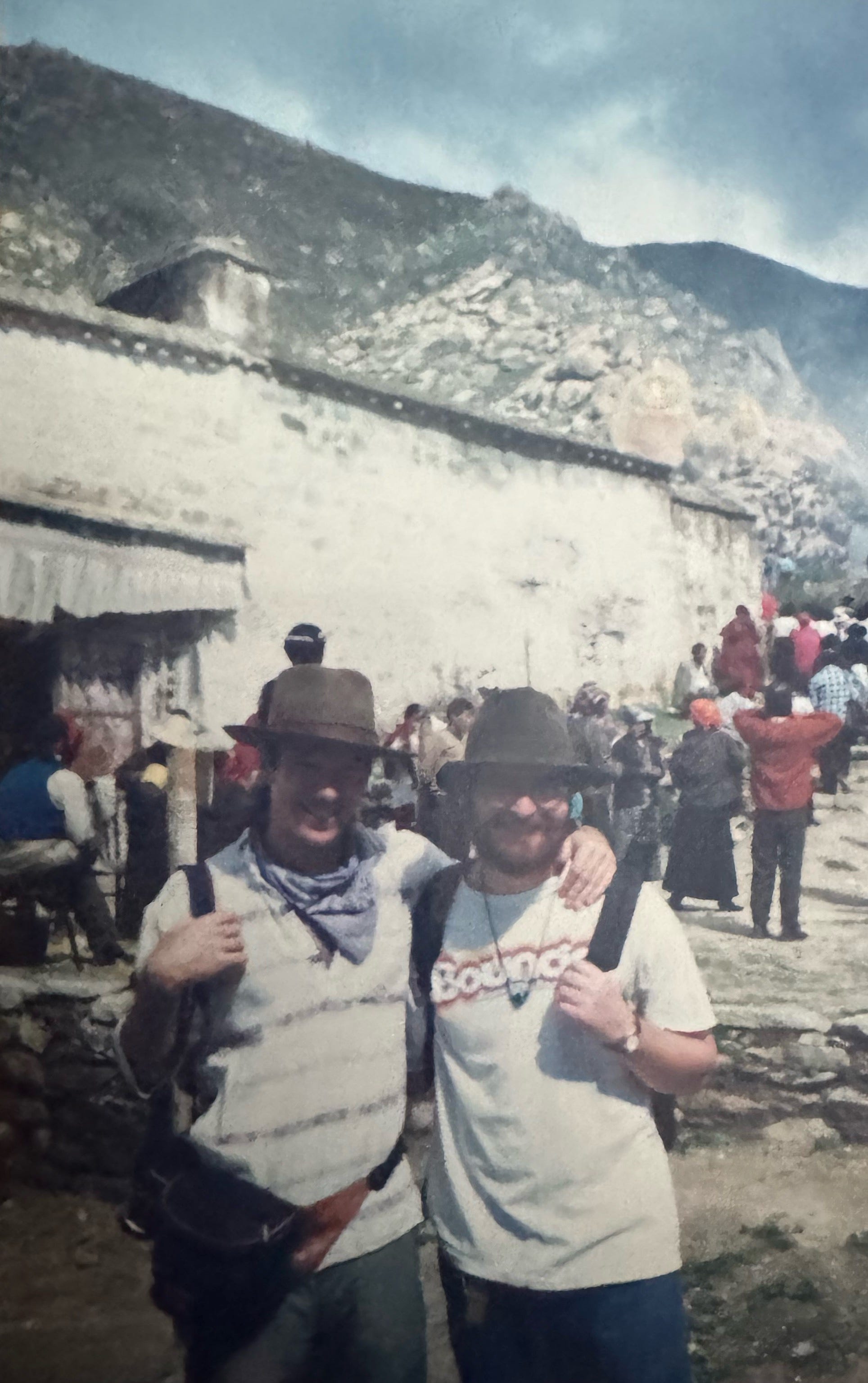
Rob Schwartz is the reason I was in Tibet at all.
I’d been teaching English in Japan and was set on visiting Vietnam on the way back home to the States. Then I met Rob at the 1998 Nagano Olympics. We were both journalists on assignment and became fast friends. He talked me into ripping up my post-Tokyo travel plans to make a run for Himalayan nirvana instead.
Rob knew Mount Kailash. His first trip to Tibet, in 1987, lasted three weeks, not enough time to make the trek. So he returned in 1988, hitchhiked about a thousand miles from Lhasa in full winter gear to complete the grueling three-day kora around Kailash at roughly 17,000 feet. Hinduism calls it Shiva’s home. Buddhists and the Bön hold it holy too. The Indus, the Ganges and the Brahmaputra all map their origins near its base.
“Oftentimes what people hold as holy also actually are really contributing to the extension and ability to live their lives,” Rob told me during a recent visit to The love, journalism Show.
We planned to go. But the monsoon rains washed out the roads, and we had to back away.
So, we hung out in Lhasa for a few weeks and made a movie instead.

Rob, a self-described wannabe filmmaker, wrote a quick script called My Karmic Laundromat. We shot it around town with Lena, a traveler we’d befriended (who now writes Tessa Fights Robots on Substack). The plot featured a kissing scene and an attempted reincarnation. I still recall a traveler from Japan warning us the local police were keeping close watch on us because of all the heavy camera gear we were lugging around.
Rob never did produce our movie, though he says he still has the cassette footage somewhere. His ultimate review: “as a film, I don’t think it really holds together... the script is pretty weak... there’s no real conclusion.”


When we weren’t playing filmmaker, we wandered around the Barkhor, the city’s main commercial center, and explored the Jokhang Temple. I ate yak burgers. We bought heavy fabric and hired a local tailor to stitch us chubas, the traditional Tibetan robes that double as warm clothing and a massive, useful sack to carry gear. We stayed at the Banak Shol hotel, which featured a free gear-and-info co-op run by travelers. Rob called it a spirit of cooperation and adventure “that you just don’t get in other places.”
Rob left to head back to Tokyo, and I stayed a drop longer. I took a side trip to Shigatse with a thin Chinese notebook. At dinner, kids banged on windows and pulled jacket sleeves, trying to get tourists to share food or coins. That night, I wrote: “The American looks down at his book, refusing to accommodate and perpetuate a seemingly and feelingly hopeless charity. A city of hope in a hello state of mind. Oh China! What have you done?”
On the way back, the bus hit landslides and roads washed out from overnight rain. My Dead CD stayed on repeat. Staring out at the world’s highest peaks, I sifted in my mind through the hypothetical ways the world back home would find out if my bus rolled off the mountain.


When I got to my Hotmail and emailed home, I wrote: “Nothing will be too difficult in life again.”

Sports Nirvana

I’m Darren Samuelsohn, and this is what Sundays look like at love, journalism — a dispatch from the notebook, unfiltered, from whatever year I happened to be living in.