


I’m Darren Samuelsohn, and thank you for reading love, journalism. Today, we’re talking about pirates.
First time visiting? Please sign up for my love letter from the beat. Listen to recordings of ‘The love, journalism Show’ here.’
Journalists often describe themselves as soldiers or first responders. I go with pirates.
I like to think of my teams covering elections and governing cycles like the journeys they are: navigating open waters with an eye out for trouble and treasure and where often the best stories that we most prize involve some form of pirating.
September 2015. Vice President Joe Biden taped an emotional interview with Stephen Colbert - grief over Beau, Obama wanting Hillary, and Donald Trump, C’mon Man. The whole thing was pre-taped and embargoed until air. Standard stuff. A pool report would go out for everyone to see at 11:35 p.m., followed by news articles on the internet.
Then Edward-Isaac Dovere, my Politico colleague, came in through the side door.
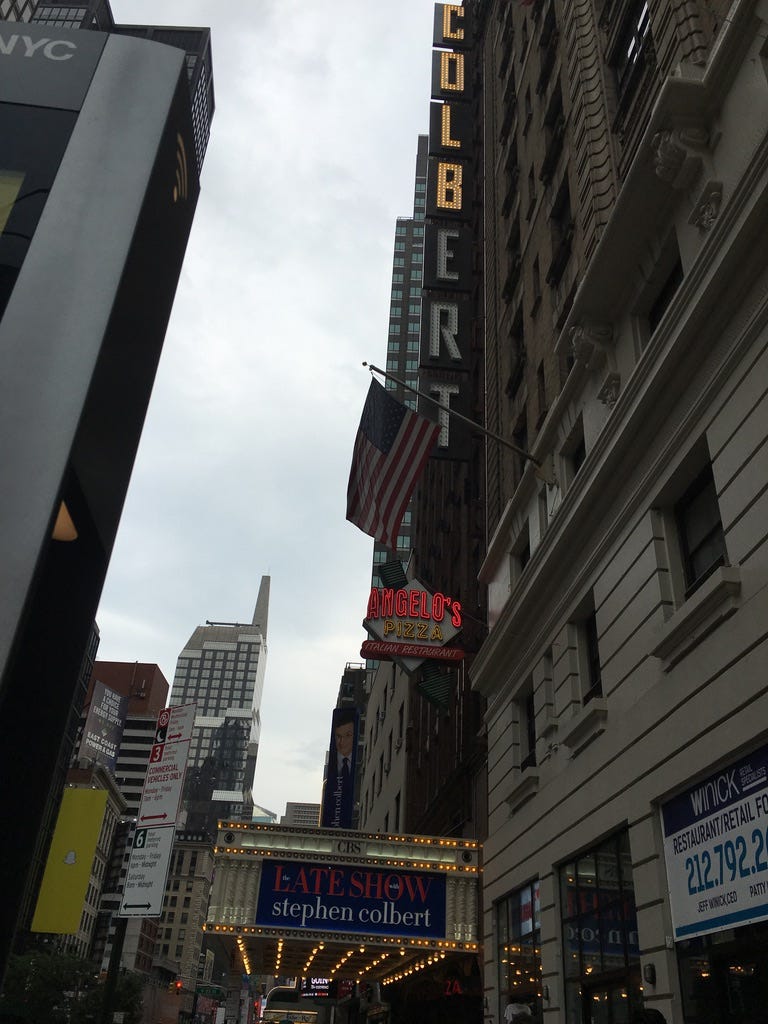
He hadn’t traveled with Biden. He wasn’t in the pool. He had no embargo stopping him. He’d stood in the audience line and went in via the public entrance with everyone else. He had the scoop on Colbert pleading with the vice president to run for the White House that fall and Biden begging off by talking about his late son who’d died four months earlier at 46.
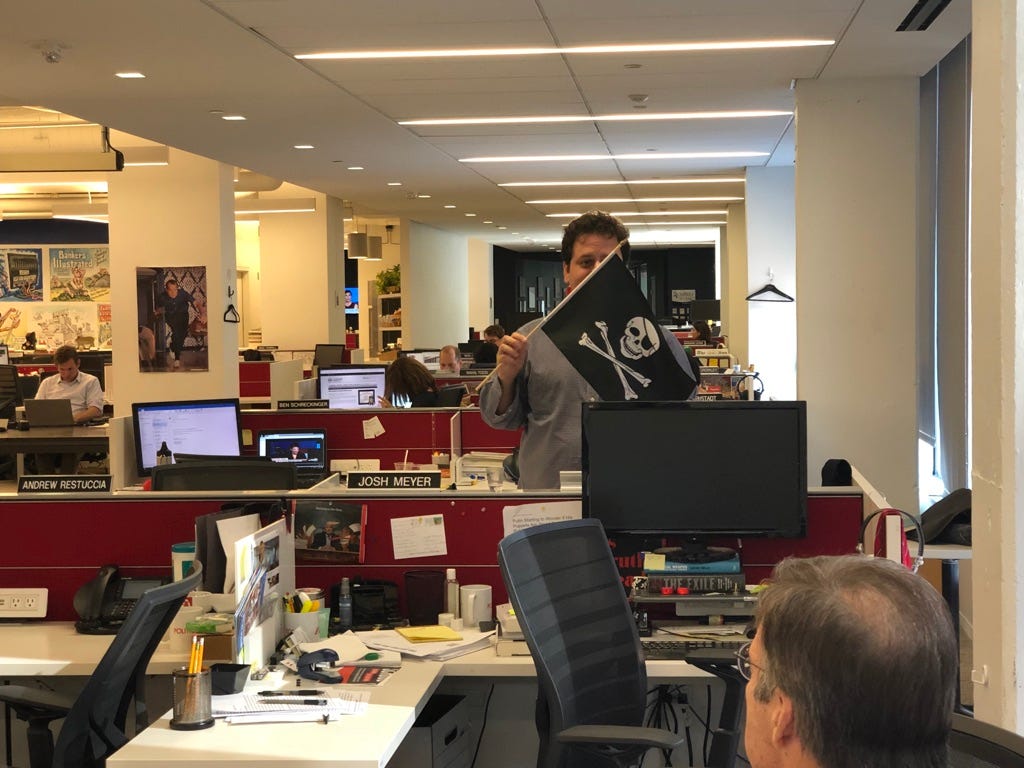
The next day in the Politico newsroom, Glenn Thrush paraded through the cubicles and planted a mini-Jolly Roger flag on Dovere’s desk.
After Politico, at my next newsroom running Insider’s DC bureau, I would use the pirate ship metaphor to urge my reporters to go find the booty on their beats.
They scored by documenting the rise of Marjorie Taylor Greene and Matt Gaetz in the US House; the ethical morass of congressional stock transactions, the gerontocracy of American politics and even the lurking chaos inside the Democratic party if Joe Biden were to ever not run again in 2024.
Nothing was easy during a global pandemic and since my team was a start-up, we were also building our boat from scratch once it’d already left port.
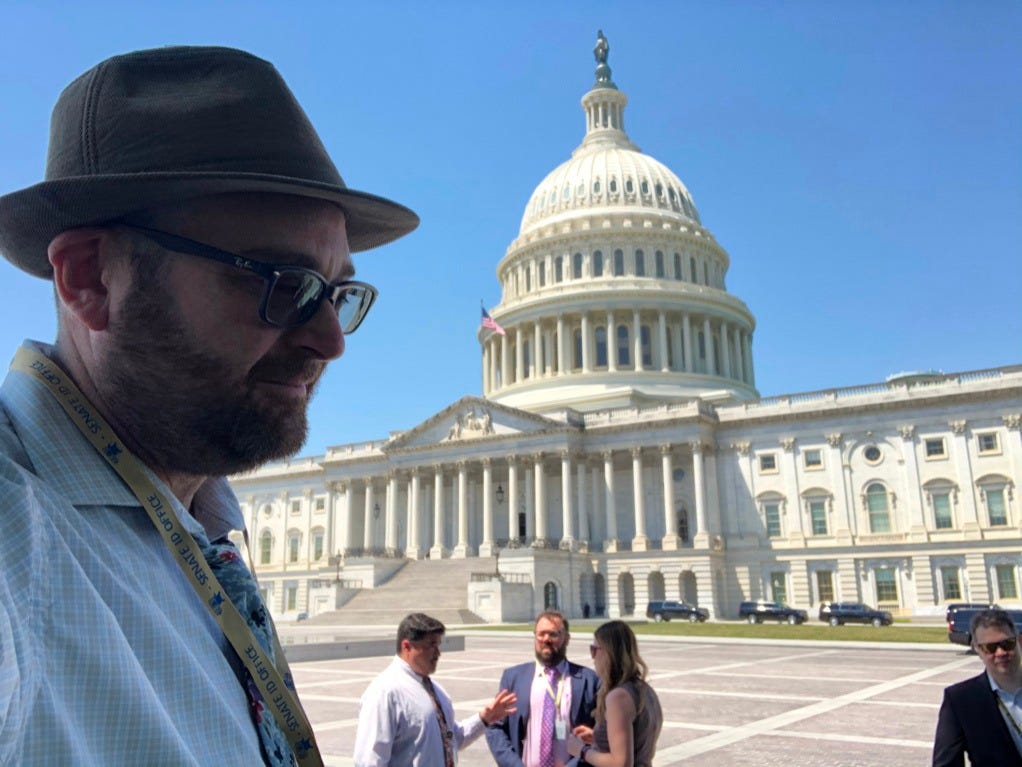
About a year into the job, I bought a Jolly Roger flag and had planned to display it in our bureau. But I hesitated and didn’t. The office often sat empty. It’d taken weeks to get a TV up with Sling or whatever passed for cable. I was also worried I might offend someone by promoting the work of real live pirates.
Before I could make up my mind management tossed me overboard. One of my reporters had to fish the flag from my desk drawer and bring it to my home in a tote bag stuffed alongside a mostly full bottle of bourbon and a photograph of me and my wife at the Grand Canyon that my about-to-die aunt had made for me off Shutterstock just a couple years earlier.
Later, at USA TODAY, the flag made its debut when a colleague had eye surgery and came to work with a patch. The next morning it was over my shoulder during our team video meetings.
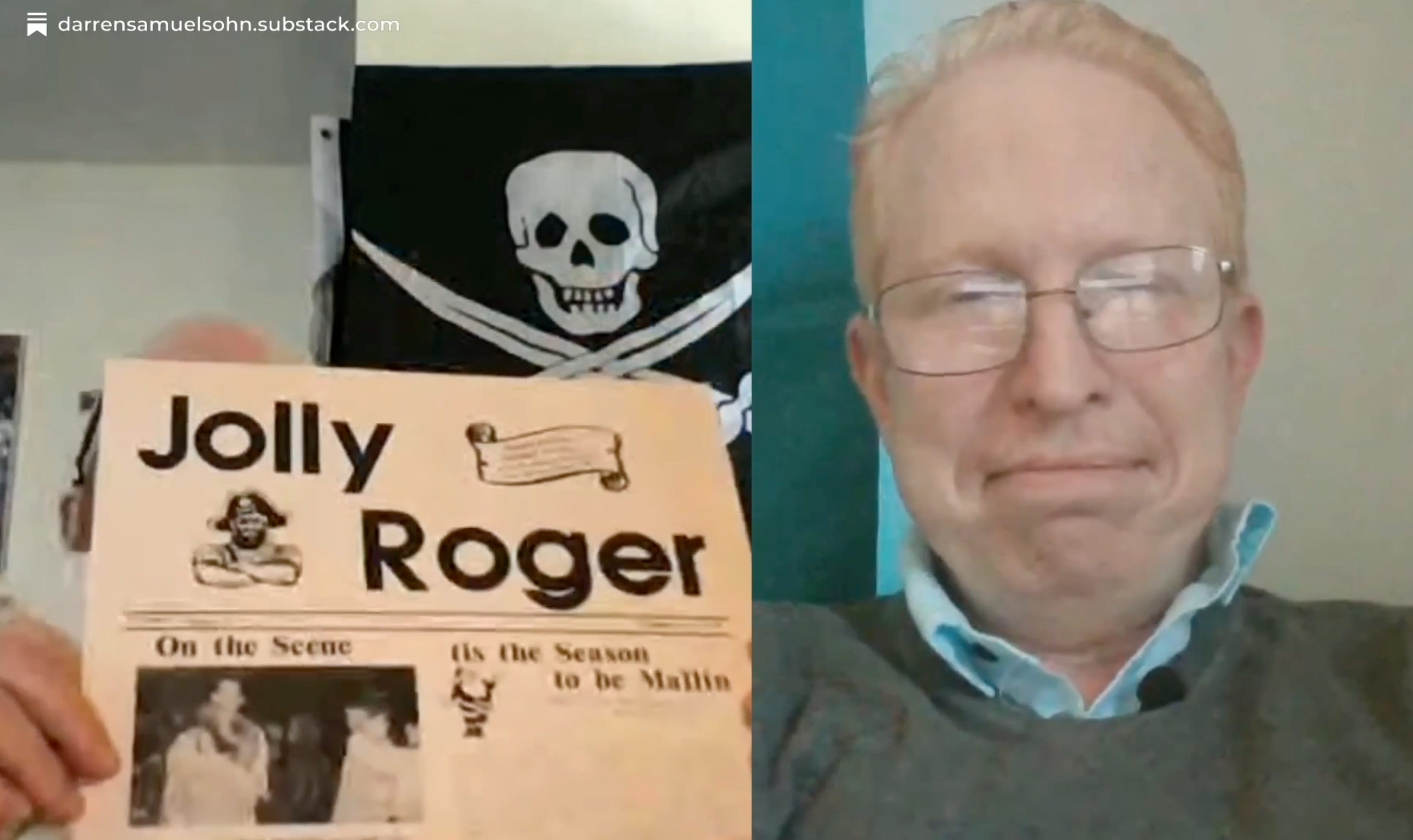
Last Saturday, The love, journalism Show made its return after a two-year hiatus. Substack now allows for live video, so I flew the pirate flag in the background with Isaac and Glenn and my Insider and USA TODAY colleagues all in mind.
My guest also couldn’t have been more appropriate: Seth Kaplan - one of my oldest journalism co-conspirators, a guy I’ve known since we were both working on our middle school newspaper in 6th grade at Ramblewood Middle School in Coral Springs, Florida.
Our mascot was the Raiders so the teacher named it The Jolly Roger.
During the pandemic, Seth pulled off a move that would make pirates proud. As the world was shutting down, he returned to TV news and moved to Harrisburg, Pennsylvania in search of his next story to tell.